



For millions of Kenyan households, buying a packet of flour is an everyday decision. Whether it is maize flour for ugali or wheat flour for chapati, price, brand and quantity are often the first things we consider.
But how often do we think about what happens before that packet reaches the shelf?
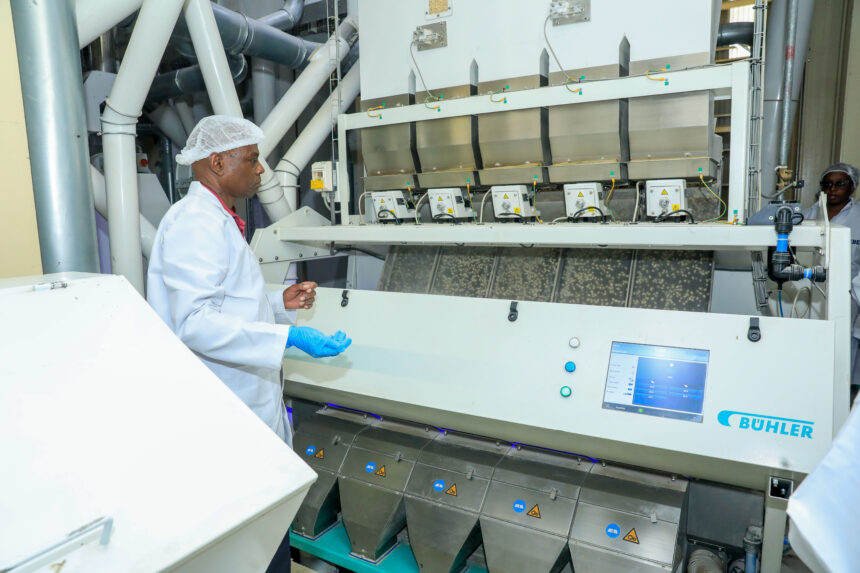
Behind every packet of flour is a process most of us never get to see. From sourcing and inspecting grains to processing, testing and packaging, every stage plays a role in ensuring the flour we buy is safe and meets quality standards.
Food safety begins long before the shelf

Producing safe, quality flour involves much more than grinding grains and packaging the finished product.
It starts with the grains themselves. Before processing, millers must check for moisture, contamination and other factors that could affect the quality and safety of the flour.
One major concern is aflatoxin, a harmful substance produced by certain moulds that can grow on crops such as maize, particularly when grains are not properly dried or stored.
Long-term exposure to aflatoxins can increase the risk of liver cancer. What makes them particularly dangerous is that ordinary cooking cannot reliably remove them from contaminated food.
This is why proper grain drying, storage and testing are so important.
At the mill, quality checks continue throughout production. These include inspecting raw materials, monitoring equipment and testing products to ensure they meet the required standards. All this requires investment in technology, skilled workers and proper quality control systems.
We may never see these processes, but they play an important role in protecting the food that reaches our tables.
Why food fortification matters
Food safety is important, but the food we eat should also provide the nutrients our bodies need.
Food fortification involves adding essential vitamins and minerals to everyday foods to help address nutritional deficiencies.
In Kenya, certain maize flour, wheat flour and edible oil products are required to be fortified as part of efforts to improve nutrition.
Because these foods are consumed regularly in many households, fortification helps make essential nutrients more accessible.
However, fortified does not automatically mean safe.
Even when vitamins and minerals have been added, flour must still be properly produced, handled and stored to ensure it is safe to eat.
Also Read:CMA-Warns-of-Rise-in-Wheat-Flour-Prices
The responsibility behind every packet
For millers, maintaining food quality and safety is an ongoing responsibility.
It requires regular testing, well-maintained equipment, trained employees and proper handling and storage of raw materials.
These investments are especially important at a time when manufacturers are dealing with rising energy, transport and raw material costs.
But regardless of these pressures, food safety standards must be maintained.
Consumers may not see the work happening inside milling facilities, but understanding these efforts helps us appreciate why quality standards matter and why manufacturers must be held accountable.
It also highlights the importance of recognising companies that continue to invest in improving their production practices.
Kenya’s milling industry to recognise excellence in food fortification
This commitment to quality will be in focus on Friday, 30 October 2026, when the Cereal Millers Association (CMA), in partnership with TechnoServe, hosts the third annual Kenya Millers Fortification Index (KMFI) Awards at Aurora Bustani in Thika.
The Awards recognise milling companies demonstrating commitment to food fortification and continuous improvement in their practices.
Beyond celebrating industry achievements, the event provides an opportunity to highlight the importance of food quality, nutrition and consumer protection.
The ceremony is expected to bring together government representatives, industry leaders, regulators and development partners working to strengthen Kenya’s food and nutrition systems.
More importantly, the Awards serve as a reminder that maintaining quality standards is not a one-time achievement but an ongoing responsibility.
What consumers can do to protect themselves
While manufacturers and regulators have a responsibility to ensure food quality and safety, consumers also have a role to play.
Before buying packaged flour, check for the KEBS quality mark, confirm the expiry date, read the label and make sure the packaging is in good condition. Most importantly, always store flour in a clean, dry place after purchase.
Remember, harmful substances such as aflatoxins cannot always be detected by looking at or smelling flour. This is why proper testing and food safety standards are so important.
Price will always matter, especially when household budgets are stretched. But affordability should not come at the expense of food safety.
As Kenya’s milling industry prepares to recognise excellence through the KMFI Awards, the message is simple: safe, quality food begins long before it reaches the shelf, and every Kenyan deserves to know that the food they bring home meets the required standards.